
North Star Law Resources
Looking for a specific topic?
Search our resources for information about mechanic’s liens, construction law, business planning, litigation, General Counsel, and more.
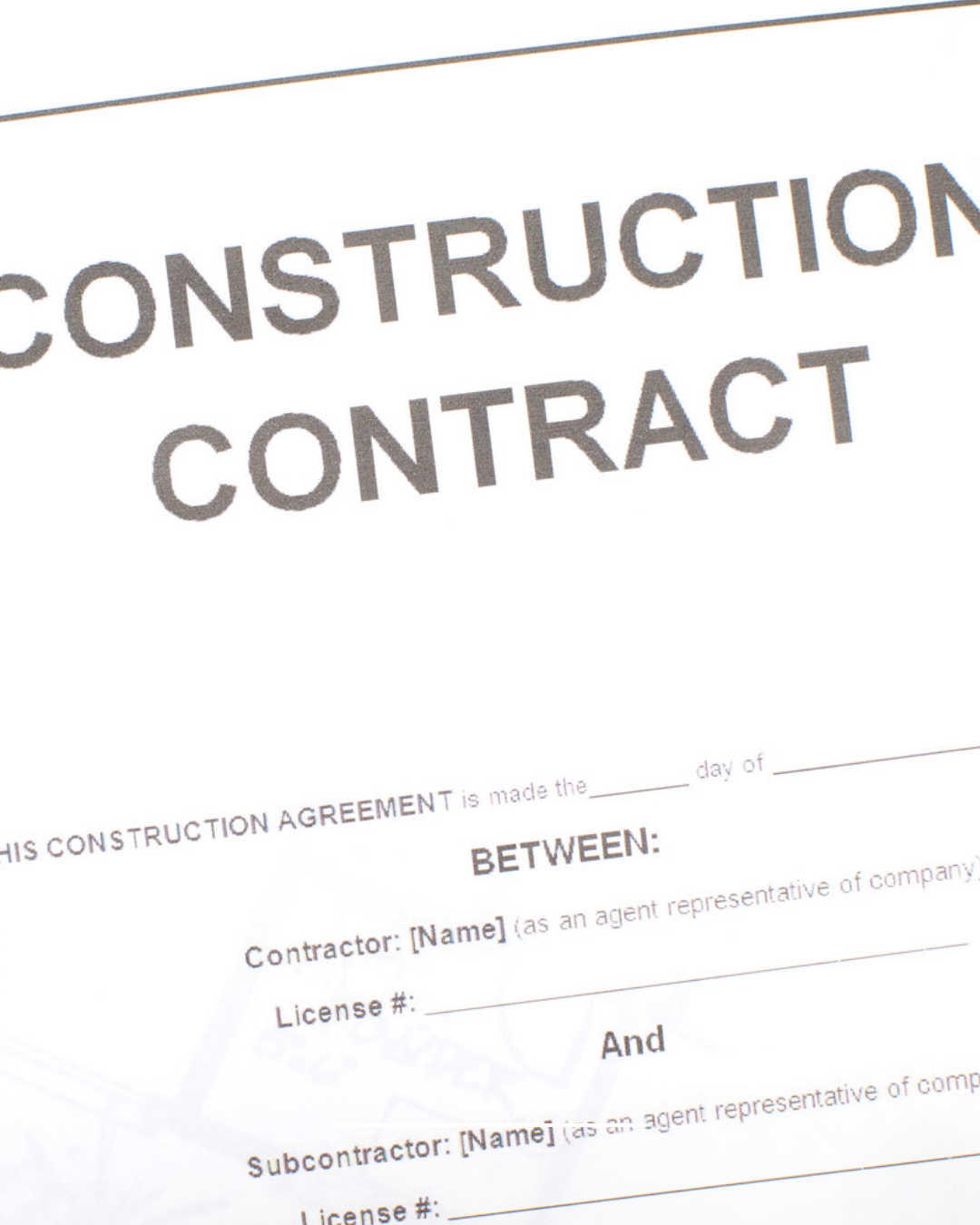
Why You Should Have an Attorney Review Your Minnesota Construction Contract
Construction Contract for Minnesota Businesses

Naming a Trustee: Who Should You Choose?
Choosing a trustee is an important part of estate planning. Learn what to consider when naming a trustee, including reliability, financial judgment, family dynamics, and business succession planning.
Minnesota Supreme Court Narrows Contractors' Lien Rights in Construction Defect Disputes: What You Need to Know
A Minnesota Supreme Court ruling just changed how mechanic's liens interact with construction defect claims. Learn more from North Star Law.

Why Minnesota Construction Companies Are Facing Increased Payroll and Workers’ Compensation Fraud Scrutiny
Minnesota Contractors face increased scrutiny surrounding fraud and misclassification. Learn more from North Star Law.

Fake Contractor Listings Hurt Legitimate Construction Businesses
Why Fake Contractor Listings hurt legitimate Construction Businesses in Minnesota and beyond.

What Happens If You Die Without a Will in Minnesota?
What Happens If You Die Without a Will in Minnesota? Learn More from the Team at North Star Law.

New Federal Contractor Rule Proposed — What Minnesota Builders Should Know
Changes to the Federal Contractor Laws could impact your Construction Business. Stay updated with North Star Law.

ICE Arrests St. Paul Roofers: Why Misclassification Puts Minnesota Contractors at Risk
The roofing industry is changing as federal enforcement on immigration shifts. Learn more.


Minnesota’s 2026 Prevailing Wage Rates: What Contractors Need to Know Before Bidding on Public Projects
If your business is considering bidding on state-funded or public construction projects in Minnesota, understanding prevailing wage requirements is essential.

Minnesota Targets “Ghost Policies” in Construction: What Contractors Need to Know
A new law, effective January 1, 2026, aims to crack down on fraudulent or misleading workers’ compensation insurance policies, often called “ghost policies.”

Minnesota Paid Leave: What Employers Need to Know
Minnesota’s new Paid Family and Medical Leave (“PFML”) program takes effect January 1, 2026, which is quickly approaching.
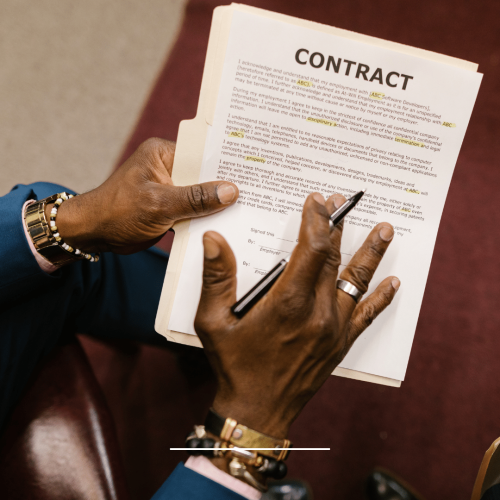
Key Contracts Every Minnesota Business Should Have in Place
The right contracts don’t just keep you compliant - they set clear expectations, prevent disputes, and build trust with your employees, partners, and clients.

Minnesota Mechanic’s Lien Services: Why Choose North Star
Protect your payments with a Minnesota mechanic’s lien. Flat-fee lien filing by construction attorneys - not software. Enforceable, reliable, done right.

When Construction Defects Get Complicated: What “Highly Technical” Really Means
At North Star Law, we help businesses, general contractors, and subcontractors navigate highly technical disputes before they spiral into costly legal battles.

Minnesota Roofing Sales Laws - What Contractors Should Know
Know your requirements as a roofer in Minnesota.

Minnesota Contractor Charged with Wage Theft
Ramsey County Attorney John Choi announced eight felony charges against an MN contractor, including wage theft, tax evasion, and insurance fraud.

Why Minnesota Business Owners Must Prioritize Worker Classification Compliance
Minnesota’s new misclassification law is transforming how companies engage independent contractors and employees.
Top Lawyers 2025 Minnesota Monthly
North Star Law PLLC is Proud to announce that ALL of our attorneys were recognized as Top Lawyers 2025 Minnesota Monthly.

Minnesota Expands Misclassification Enforcement
MN lawmakers doubled down on misclassification enforcement in the June 2025 Jobs Bill, expanding penalties, granting DLI new funding, and more.